Dartmouth College: Advancing Excellence In Higher Education
Introduction
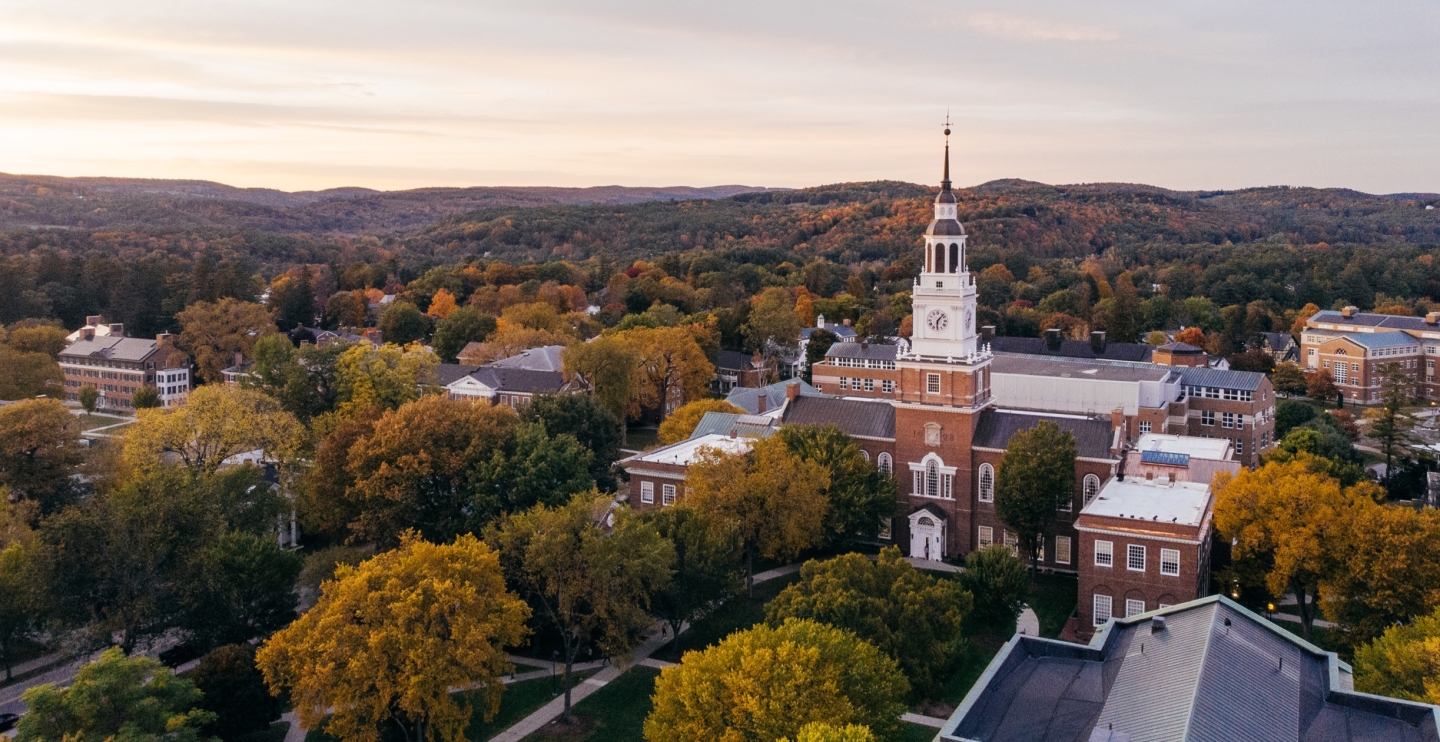
Dartmouth College, a distinguished Ivy League institution located in Hanover, New Hampshire, represents a cornerstone of academic excellence and intellectual curiosity in the United States. Established in 1769, Dartmouth has consistently fostered a dynamic environment where rigorous scholarship, innovative research, and holistic student development converge. Unlike larger research universities, Dartmouth maintains a liberal arts focus while simultaneously promoting interdisciplinary research and global engagement. This unique combination empowers students to develop critical thinking, creativity, and leadership skills that extend well beyond the classroom.
A Legacy of Academic Excellence
From its inception, Dartmouth College has embraced a commitment to academic rigor and excellence. Its undergraduate curriculum emphasizes a liberal arts foundation, allowing students to explore diverse disciplines while specializing in their chosen fields. Courses across the humanities, social sciences, and natural sciences are designed to challenge conventional thinking and inspire analytical reasoning. Dartmouth’s emphasis on faculty-student interaction ensures that students receive personalized mentorship, fostering intellectual growth and professional development. Small class sizes enhance discussion-based learning, ensuring that every student has the opportunity to engage deeply with course material.
Dartmouth’s graduate and professional programs complement its undergraduate offerings, providing advanced study in medicine, business, engineering, and education. The Tuck School of Business, Geisel School of Medicine, and Thayer School of Engineering exemplify the college’s interdisciplinary approach, integrating real-world applications with scholarly rigor. Students at all levels benefit from an academic culture that encourages innovation, inquiry, and the pursuit of knowledge across disciplines.
Interdisciplinary Research and Innovation
Research is a defining feature of Dartmouth’s academic identity. The college promotes collaborative and interdisciplinary inquiry, enabling students and faculty to address complex global challenges. Dartmouth’s Institute for Security, Technology, and Society (ISTS) and the Dartmouth Toxic Metals Superfund Research Program exemplify how cutting-edge research intersects with public service, sustainability, and ethical responsibility.
Undergraduate students have unprecedented opportunities to engage in research alongside faculty mentors. The Summer Undergraduate Research Fellowship (SURF) program empowers students to explore novel ideas, gain hands-on experience, and contribute meaningfully to ongoing research initiatives. This early exposure to research cultivates a spirit of innovation, preparing students for advanced study, entrepreneurship, and leadership roles.
Global Engagement and Experiential Learning
Dartmouth recognizes the importance of global perspectives in today’s interconnected world. Through programs like the Rockefeller Center for Public Policy and the Dartmouth Center for the Advancement of Learning, students participate in internships, fieldwork, and service-learning projects worldwide. These experiences enhance cultural competency, encourage civic engagement, and develop problem-solving skills applicable to diverse professional contexts.
Study abroad programs at Dartmouth are designed to complement academic objectives while fostering global awareness. Students can immerse themselves in foreign languages, international policy, environmental studies, and cultural research. By integrating experiential learning with classroom instruction, Dartmouth ensures that students graduate with both academic knowledge and practical, real-world experience.
Holistic Student Development
Dartmouth College prioritizes the holistic development of its students. Beyond academic rigor, the institution emphasizes personal growth, leadership, and community involvement. Residential life at Dartmouth is a critical component of this development. The college’s House System promotes close-knit communities where students engage in collaborative learning, social activities, and leadership opportunities. This environment nurtures resilience, empathy, and interpersonal skills—qualities essential for success in any field.
Extracurricular involvement at Dartmouth is equally robust. Students participate in a wide range of clubs, organizations, and athletic teams, promoting creativity, teamwork, and social responsibility. From the Dartmouth Outing Club, which encourages outdoor exploration, to student-led publications and cultural organizations, the college provides ample opportunities for personal enrichment and skill development.
Commitment to Diversity, Equity, and Inclusion
Dartmouth’s commitment to diversity, equity, and inclusion is integral to its educational philosophy. The college actively fosters an inclusive environment where students from diverse backgrounds, experiences, and perspectives can thrive academically and socially. Initiatives such as the Office of Pluralism and Leadership, cultural centers, and mentorship programs provide resources and support for underrepresented communities.
By prioritizing equity and accessibility, Dartmouth ensures that all students have the opportunity to engage fully in the academic and extracurricular life of the college. This inclusive culture enhances critical thinking, broadens perspectives, and prepares students to navigate an increasingly diverse and complex global society.
Innovative Teaching Approaches
Dartmouth has embraced innovative teaching methodologies that enhance learning outcomes and student engagement. Faculty members utilize a blend of traditional lectures, collaborative seminars, and technology-enhanced instruction to deliver content effectively. The college’s commitment to active learning encourages students to apply concepts in practical contexts, fostering analytical and problem-solving skills.
Programs such as the Dartmouth Center for the Advancement of Learning (DCAL) provide faculty with resources to implement cutting-edge pedagogical strategies, including project-based learning, experiential simulations, and digital learning tools. These approaches not only enrich the educational experience but also equip students with skills essential for professional success in the 21st century.
Alumni Success and Impact
Dartmouth’s influence extends far beyond its campus. Alumni occupy prominent positions in academia, government, business, science, and the arts. The college’s strong alumni network offers mentorship, career guidance, and professional opportunities, strengthening the connection between current students and the global professional community.
The accomplishments of Dartmouth alumni reflect the institution’s emphasis on leadership, innovation, and civic engagement. Graduates are not only equipped with academic knowledge but also with the ethical framework and social responsibility necessary to drive meaningful change in their communities and industries.
Sustainability and Community Engagement
Sustainability is a central focus of Dartmouth’s institutional values. The college actively promotes environmental stewardship through research, campus initiatives, and community partnerships. Programs such as the Dartmouth Sustainability Office and the Carbon Neutrality Initiative reflect a commitment to reducing environmental impact while educating students about sustainable practices.
Community engagement is equally emphasized. Dartmouth encourages students to participate in volunteer programs, local partnerships, and service-learning projects. These initiatives foster social responsibility and civic-minded leadership, preparing students to address societal challenges with innovative solutions.
Conclusion
Dartmouth College represents a harmonious blend of tradition and innovation, providing an educational experience that is both rigorous and transformative. Its commitment to academic excellence, interdisciplinary research, global engagement, and holistic student development positions it as a leader in higher education. By fostering intellectual curiosity, ethical leadership, and social responsibility, Dartmouth equips students to thrive in a rapidly evolving world.